Gaming frustrations are real. You know the drill: expensive hardware, constant updates, and limited access. It’s enough to drive anyone crazy.
I want to talk about the cloud gaming future and how it’s set to change everything.
This article dives into how cloud gaming can redefine how we play. I’ll explore the technology behind it and the trends shaping its rise. We’ll answer the burning questions: Is it viable?
Will it really make gaming more accessible?
I’ve spent years studying gaming trends and mechanics. I know what’s coming down the pipeline.
Cloud gaming isn’t just a buzzword. It’s a shift toward a more versatile gaming experience. Imagine playing high-quality games without breaking the bank on a fancy console.
This is where we’re headed, and I want you to understand it.
By the end of this article, you’ll have a clear picture of the future of gaming. You’ll grasp how it impacts you and why it matters. Let’s get into it.
Cloud Gaming Today: What’s Happening Now?
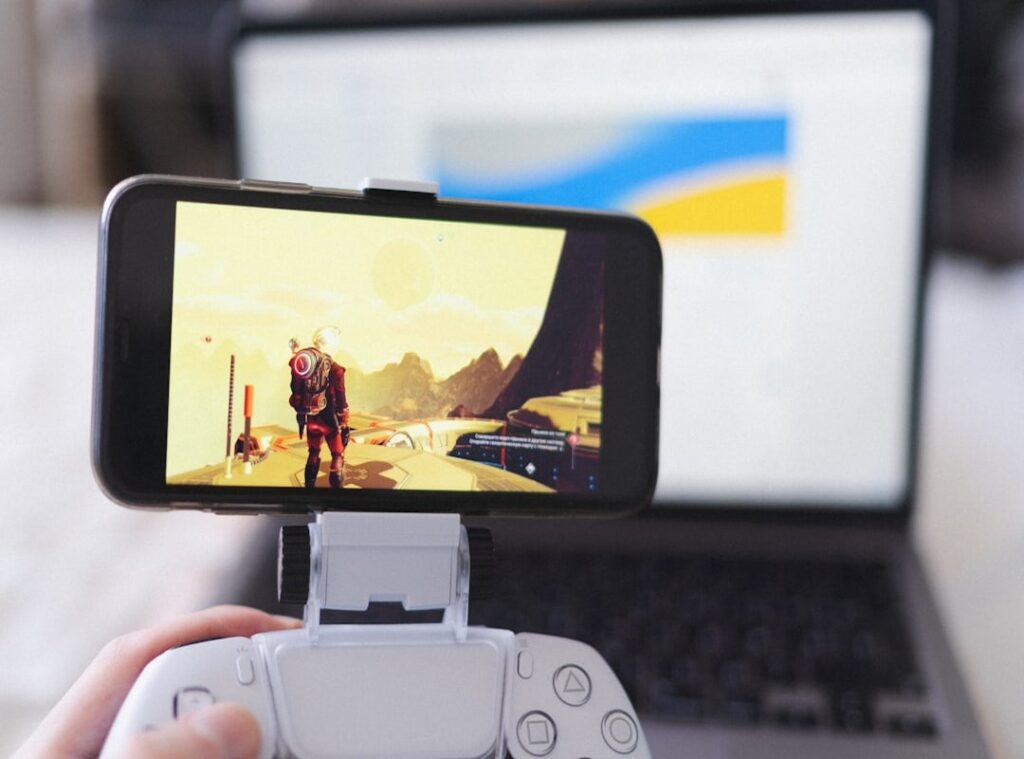
Cloud gaming is like renting a game console in the sky. You play games without actually owning them on a device, thanks to server-side rendering and streaming. Here’s the deal: all the heavy lifting happens on remote servers.
Your device (whether it’s a phone or a potato PC) just streams the game. It’s like watching Netflix but with video games. You still need a solid internet connection, though.
So, who’s ruling the cloud? Big names like Xbox Cloud Gaming, NVIDIA GeForce NOW, and PlayStation Plus Premium are leading. Each has its strengths (and quirks).
They offer instant access to massive game libraries without the need for high-end hardware. Imagine not having to clear space on your console every time a new game drops. Pretty sweet, right?
Yet, cloud gaming isn’t perfect. Latency can be a real pain. A slow connection can ruin your experience.
And while libraries are growing, they’re not limitless. Still, the cloud gaming future seems inevitable. It’s a key foundation for gaming tomorrow, with cross platform play matters more than ever now.
Adapt or get left behind.
Cloud Gaming’s Technological Backbone: 5G, Edge, and AI
Cloud gaming’s evolution hinges on several technological pillars. First, let’s talk about 5G. Its low latency and high bandwidth are game-changers for smooth experiences, especially on mobile.
Without 5G, you’d be stuck with laggy gameplay, and who wants that? Edge computing is next. By moving servers closer to users, it reduces latency, making games more responsive.
It’s like having your own gaming server right next door (instant) gratification.
Then there’s video compression and streaming protocols like AV1 and WebRTC. They improve visual quality while reducing bandwidth usage. It’s key for gamers who want graphics that pop without hogging data.
AI and Machine Learning play their part too. They boost cloud gaming by predicting latency, scaling resolutions dynamically, and even personalizing your content. Ever feel like your game knows what you want?
That’s AI at work.
These technologies together tackle cloud gaming’s core challenges, setting the stage for its future. The “cloud gaming future” isn’t just a dream (it’s) a reality in the making. Who knew tech could feel this smooth?
Probably anyone who’s tried it.
Player Experience Transformed: Accessibility, Freedom,
Cloud gaming is shaking up the scene. It’s wild how accessible it makes gaming. No more empty wallets from buying pricey consoles or PCs.
You can jump in with just about any device (your) TV, phone, or even that old laptop. It’s like unlocking a whole new world of players who might never have had the chance before.
And the freedom of it? Unreal. Playing your favorite game on your TV then switching to your phone without a hiccup is a game-changer.
Imagine being at the airport, bored out of your mind. You whip out your phone and pick up right where you left off at home. Cloud magic!
It’s as if the cloud gaming future is serving us pure convenience on a silver platter.
Subscription models also deserve a shout. They offer vast libraries that cut down on the need to splash out big bucks upfront. Curious about the truth about game subscriptions?
No downloads, no installs, no patches. Just instant play. With multiplayer games and cloud-native experiences, the possibilities feel endless.
These models might be your ticket to gaming bliss.
This is what modern gaming should look like. Who wouldn’t want in?
Navigating Challenges: Building a Resilient Future
Input latency is a headache, isn’t it? But with technological advancements like 5G and edge computing, we’re seeing real progress. These tools are cutting down delays and improving response times.

But what about our global internet? The digital divide is still a massive issue. Expanding high-speed broadband is key to make sure everyone can access these improvements.
Content ownership and DRM stir up another debate. In a streaming-first world, who really owns what? The industry is tackling this with more flexible and transparent digital rights management.
It’s about time, right?
The sustainability of business models for game developers is another hot topic. Cloud gaming reshapes revenue streams and content strategies. It’s a double-edged sword; while it opens new opportunities, it also challenges traditional models.
We can’t ignore the push to create a more inclusive and user-friendly cloud gaming space. Yet, this is why cloud gaming will never fully replace hardware. Understanding these dynamics is key to a sustainable cloud gaming future.
Let’s keep pushing for a resilient, inclusive gaming world.
Shifting Sands: The New Space of Gaming
Cloud gaming is shaking up how we think about game development. The rise of cloud-native games (designed specifically for distributed computing) is redefining the playing field. It’s not just about the games themselves, but where and how they’re played.
Cloud gaming could actually make competitive esports more fair by removing hardware disparities. Imagine everyone competing on equal ground.
Think about it: no more blaming lag or hardware for a lost match. This could revolutionize how we view competitive play. And let’s not ignore the monetization possibilities.
Developers and publishers might explore fresh strategies in our cloud-centric future. Subscription models could replace traditional one-time purchases, giving players limitless access without the clutter of ownership.
This shift from product-ownership to service-access might change our culture around gaming entirely. We may start valuing experiences over possessions. It’s like streaming music but more immersive.
As the cloud gaming future unfolds, we can expect more than just technological shifts. This new paradigm could build collaboration and social connections within the gaming community. The potential for innovation is massive.
New partnerships, new game mechanics, and maybe even new genres. Are you ready for it?
Embrace the Change in Gaming
The cloud gaming future isn’t just a dream. It’s here, reshaping how we play games. By tackling issues like hardware costs and location, cloud gaming opens doors for everyone.
You don’t need a high-end console anymore.
The tech is evolving fast, making high-quality gaming accessible. This is exciting. Are you ready to explore?
Check out the current cloud gaming services and see what suits you. Stay updated on industry trends. The gaming world is changing, and you don’t want to be left behind.
Embrace the evolution. Your next gaming adventure awaits, unchained from hardware constraints. Dive in now and experience the future today.
Don’t wait. Your gaming revolution starts here.
 Founder & Editor-in-Chief
Veslina Rothwynd is the founder of Vloweves and the driving force behind its editorial vision. She established the platform to cover emerging conversations in gaming culture, esports, and specialized game communities. With a strong interest in both competitive and casual gaming ecosystems, she leads content strategy and oversees publication standards. Her work focuses on identifying niche topics before they reach mainstream attention. She also guides long-form features on game mechanics and industry developments. Under her leadership, Vloweves has developed a voice centered on informed analysis and accessible expertise. She continues to shape the platform’s growth and creative direction.
Founder & Editor-in-Chief
Veslina Rothwynd is the founder of Vloweves and the driving force behind its editorial vision. She established the platform to cover emerging conversations in gaming culture, esports, and specialized game communities. With a strong interest in both competitive and casual gaming ecosystems, she leads content strategy and oversees publication standards. Her work focuses on identifying niche topics before they reach mainstream attention. She also guides long-form features on game mechanics and industry developments. Under her leadership, Vloweves has developed a voice centered on informed analysis and accessible expertise. She continues to shape the platform’s growth and creative direction.