
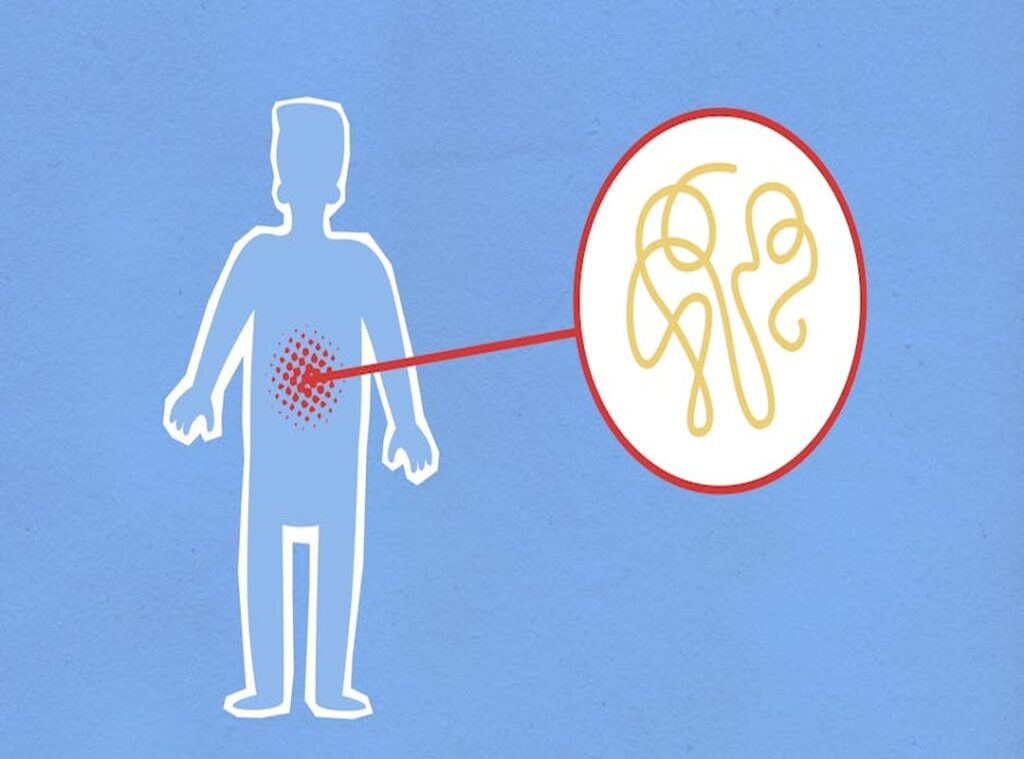
If you’re planning a trip to a French-speaking country or just need to communicate a health concern, it’s crucial to know the right words. ديدان البطن بالفرنسية translates to “vers intestinaux” in French. Knowing the correct term can make all the difference when talking to a doctor or pharmacist. Miscommunication in medical situations can be serious.
Let’s dive into the essential vocabulary and information you need. This guide will cover types of worms, symptoms, and treatments. But remember, this is for informational and vocabulary purposes only.
Always consult a healthcare professional for medical advice.
The Essential French Vocabulary for Intestinal Parasites
When talking about intestinal worms in French, the most accurate and common term is vers intestinaux.
You might think ديدان البطن بالفرنسية (which translates to vers de l’estomac) would work, but it’s less common and medically imprecise.
The stomach and intestines are different parts of the digestive system. So, vers intestinaux is more specific and correct.
Other key terms you might encounter include parasites intestinaux (intestinal parasites) and helminthes (helminths).
It’s also good to know the singular form un ver (a worm) and the plural des vers (worms).
Here are a few example sentences:
- Je pense que mon enfant a des vers intestinaux. (I think my child has intestinal worms.)
- Les helminthes sont des parasites qui vivent dans les intestins. (Helminths are parasites that live in the intestines.)
For easy reference, here’s a small vocabulary list:
| English Term | French Term |
|---|---|
| Intestinal worms | Vers intestinaux |
| Intestinal parasites | Parasites intestinaux |
| Helminths | Helminthes |
| Worm (singular) | Un ver |
| Worms (plural) | Des vers |
This should help you understand and use these terms correctly in French.
Common Types: From Pinworms to Tapeworms in French
When it comes to دِيدان البطن بالفرنسية (intestinal worms), knowing the right terms can be really helpful. Let’s dive into the most common types and their French names.
Les oxyures are a frequent concern, especially for les enfants (children). These tiny worms can cause itching and discomfort, making them a common topic at pediatrician visits.
Les ascaris, or roundworms, are another type you might encounter. They can grow quite large and affect the digestive system, leading to various health issues.
Moving on to tapeworms, they’re known as le ténia in French. You might also hear them called le ver solitaire, which means “the solitary worm.” The term le ver solitaire is more colloquial and often used in everyday conversation.
Lastly, les ankylostomes, or hookworms, are parasites that can attach to the intestines and cause anemia and other health problems.
Understanding these terms can help you communicate more effectively with healthcare providers and better understand any information you come across.
How to Describe Symptoms to a French-Speaking Doctor
When you’re not feeling well, the last thing you want is a language barrier. Being able to describe your symptoms clearly in French can make all the difference.
Abdominal Pain (Douleurs Abdominales or Mal au Ventre)
– J’ai mal au ventre. (I have a stomach ache.)
– J’ai des douleurs abdominales. (I have abdominal pain.) ديدان البطن بالفرنسية
Anal Itching (Démangeaisons Anales)
– J’ai des démangeaisons anales. (I have anal itching.)
– J’ai des fortes démangeaisons, surtout la nuit. (I have strong itching, especially at night.)
Nausea (Nausées)
– J’ai des nausées. (I feel nauseous.)
– Je me sens nauséeux. (I feel nauseous.)
Weight Loss (Perte de Poids)
– J’ai perdu du poids. (I have lost weight.)
– J’ai une perte de poids inexpliquée. (I have unexplained weight loss.)
Irritability (Irritabilité)
– Je suis irritable. (I am irritable.)
– J’ai l’impression d’être plus irritable que d’habitude. (I feel more irritable than usual.)
Seeing Worms in Stool (Voir des Vers dans les Selles)
– Je vois des vers dans les selles. (I see worms in my stool.)
– J’ai remarqué des ديدان البطن بالفرنسية dans mes selles. (I noticed ديدان البطن بالفرنسية in my stool.)
Describing how things look, feel, and even sound can help the doctor understand better. For example, if you have a rash, you might say, La peau est rouge et chaude (The skin is red and warm). Or if you hear a strange noise in your ear, J’entends un sifflement dans mon oreille (I hear a whistling sound in my ear).
Remember, being specific about your symptoms is key. The more details you provide, the better the doctor can help you.
Understanding Treatment and Pharmacy Terms in French

When you’re dealing with health issues, it’s important to know the right words. Let’s start with the basics.
- Treatment is le traitement.
- Medicine is un médicament.
Now, if you need a specific type of medicine, like for deworming, that’s un vermifuge.
You might also need to visit une pharmacie (a pharmacy) to get your medication. And who will help you there? Un médecin (a doctor).
They can give you une ordonnance (a prescription).
So, how do all these terms fit together? Here’s an example: Le médecin m’a donné une ordonnance pour un vermifuge à la pharmacie. (The doctor gave me a prescription for a deworming medicine at the pharmacy.)
If you’re curious about more specific terms, like ديدان البطن بالفرنسية (which means “intestinal worms” in French), you might want to look up les parasites intestinaux. Knowing these terms can make your next visit to the pharmacy a lot smoother.
Your Practical French Vocabulary Guide for Health Confidence
This guide covers essential terms like vers intestinaux (intestinal worms), oxyures (pinworms), démangeaisons (itching), and vermifuge (antiparasitic).
These words are key to discussing specific health issues.
Understanding this vocabulary helps bridge a crucial communication gap, ensuring you can talk about these topics with more confidence.
The article has successfully equipped you with the language tools you were searching for.
You are now prepared for health-related conversations while traveling or living in a French-speaking area.
 Gear Setup & Hardware Guide Specialist