
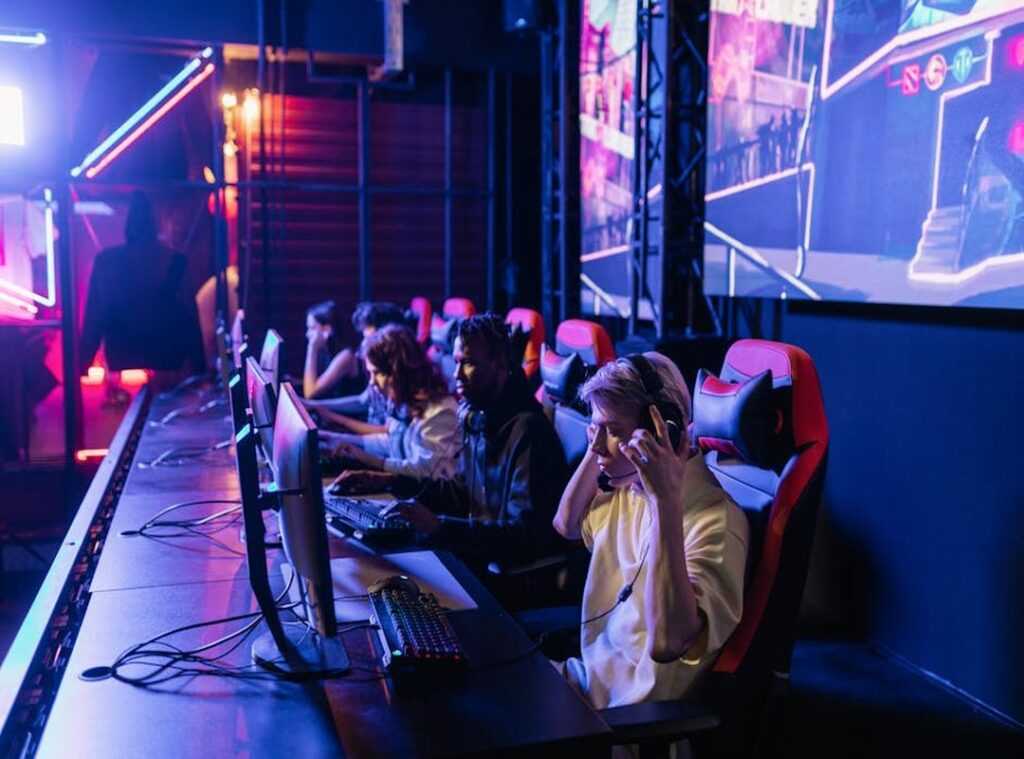
Competitive gaming is an exciting dream for many. But let’s be real: it can be confusing when you’re trying to figure out where to start or how to get through this structured world.
This article aims to demystify competitive gaming teams. I’ll break down their structure and show you how to join or even form your own team.
With years of experience analyzing esports organizations and trends, I know what it takes to succeed. You can trust my takeaways.
Many players dive into gaming, but few have a clear roadmap for transitioning from casual play to a competitive scene. Does that sound familiar? You’re not alone.
I see this gap all the time. Aspiring players often struggle to understand the space and the pathways available to them.
That’s where this guide comes in. I promise you’ll find actionable strategies and clear explanations that will help you confidently approach the competitive gaming scene.
Let’s get started on your journey to becoming part of this thrilling world.
What Makes a Competitive Gaming Team Tick?
A competitive gaming team isn’t just a bunch of friends playing for fun. It’s a well-oiled machine with one goal: winning. Unlike casual groups, these teams have specific roles, intense practice schedules, and strategies that rival military precision.
You know those public matchmaking games where everyone’s doing their own thing? Forget that. Competitive teams are all about combo and communication.
Most teams have a set roster, often with a coach guiding them. Depending on the game genre, you might see different management styles. Look at MOBAs.
They usually have more players and complex strategies. FPS teams? Often leaner, focusing on quick reflexes and sharp communication.
Fighting games might even revolve around one star player, but the support staff is still key.
Does the genre of the game dictate the team structure? Absolutely. Each game brings its own challenges, and esports organizations tailor their teams to meet them.
A fighting game team operates differently from an FPS team. It’s all about adapting to the game’s demands.
The bottom line? Success in competitive gaming hinges on teamwork. If your team can’t communicate or strategize effectively, you’re done.
Simple as that.
The Space: Beyond the Game
Esports isn’t just about flashy plays and oversized trophies. There’s a whole infrastructure behind it, from amateur leagues to professional circles. You ever wondered how someone goes from playing in their basement to competing on the world stage?
Simple: they climb a structured ladder of local tournaments and online ladders.
The stakes are high. Can you imagine trying to focus on a championship if you’re worried about making rent?
Esports organizations like TSM and Cloud9 play a key role. They provide more than just a team jersey; think salaries, training facilities, and top-notch brand management. Without them, players would struggle to make it their day job.
Different games offer unique ecosystems. For instance, League of Legends and Fortnite build opportunities in their own ways, each with distinct competitive scenes. Knowing the difference is key.
The top-tier circuits are a far cry from grassroots communities. But those local communities? They’re the breeding ground for new talent, the future stars of international championships.
Speaking of talent, you might be interested in esports sponsorship trends explained. It’s a game-changer for understanding the financial space of esports. So, what fuels your passion for esports?
Cracking the Code: Joining a Gaming Team
Joining an esports team is like trying to break into a secret club. You’ve got to show you belong. First, let’s talk skills.
You need to know your KDA (kills, deaths, assists). This is your bread and butter. But don’t forget about game sense and objective control.
These metrics show you’re more than just a kill-stealer. Track them religiously.
Networking is next. Online forums, Discord, and in-game chats are your new best friends. I’ve found incredible opportunities just by casually chatting during matches.
People notice when you’re genuine.
When it’s time for tryouts, don’t just focus on your triple kills. Show teamwork. Teams want players who can support others, not lone wolves.
Prepare by understanding the team’s playstyle and adapting to it.
Where to find open spots? Platforms like Reddit and gaming-specific job boards are treasure troves. Search for “looking for group” posts.
They’re your gateway to joining esports organizations.
Your attitude is your secret weapon. Be coachable, stay positive, and commit beyond just gaming hours. Teams value those as much as raw skill.
And if you want more takeaways on shaping team dynamics, check out this piece on Rethinking Team Dynamics Esports. It’ll change how you see team play.
Level Up: Build Your Gaming Team from Scratch
Ever dreamt of starting your own esports team? Let’s cut through the noise and get to it. First, find teammates who are not just skilled, but also mesh well with you.
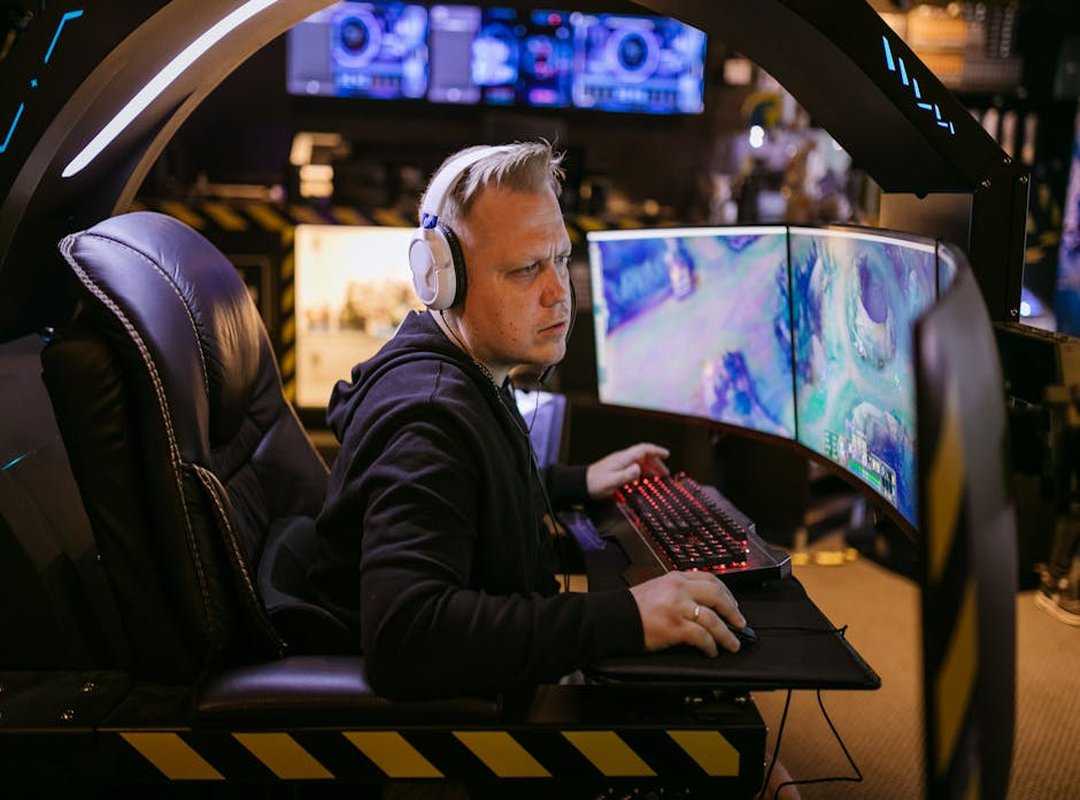
Compatibility matters. Nobody wants a team full of egos. Look for players who fit their roles, like a shot-caller or strategist.
Personality is key.
Once you’ve got your squad, define roles and responsibilities. Who’s the captain? Who handles strategies?
It’s like assembling your own Avengers. Everyone needs a part. Pro tip: Balance individual practice with team scrims.
It’s not just about playing; it’s about playing smart. Review VODs to adapt to meta changes (because metas shift faster than TikTok trends).
Healthy team dynamics are key. Set up communication protocols. You don’t want to be barking orders mid-game.
Resolve conflicts before they snowball. Trust me, keeping the peace is as important as landing those headshots.
Looking for tournaments? Start small. Local leagues offer exposure and experience.
Check out hitmarker: gaming & esports jobs for opportunities. They’ve got the inside scoop.
Building an esports team isn’t just assembling players. It’s building an esports organization. It’s about plan, communication, and finding the right mix of talent and personality.
Ready to dive in? Let’s get started.
Competitive Gaming: Challenges and Rewards
Being part of a competitive gaming team isn’t all glory and prize money (though that’s a nice perk). It’s a grind. The time commitment is insane.
You’re training like an athlete, and let’s be honest, the pressure to perform can crush you. Ever dealt with a string of losses? It stings.
You wonder if you’re cut out for this.
Burnout is real. You need to keep your head straight, or you’ll spiral. Managing tilt?
That’s an art. Keeping a growth mindset is key (and harder than it sounds). But let’s talk rewards.
There’s camaraderie, that bond with your team. You grow as a person, and your skills? They hit new levels.
The thrill of competition is unmatched. And yes, there’s potential for recognition and prize money. But here’s the kicker: the journey itself is the real treasure.
You learn life skills that go beyond the game. Esports organizations give you a taste of that high-stakes world, and the ride is worth it.
Level Up Your Competitive Gaming Game
You’ve reached a solid understanding of competitive gaming teams. This article tackled the complexities of getting into this world.
The information on definitions, pathways to join or build teams, and setting realistic expectations is key.
Don’t just let this knowledge sit. Start refining your skills. Network actively.
Research specific game communities.
If you’re serious about making a mark in esports organizations, now’s the time to act.
This isn’t just about gaming; it’s about turning passion into something real.
You have what it takes to raise your game.
So, what are you waiting for? Dive in and start taking those steps today. The competitive scene is waiting for players like you.
 Founder & Editor-in-Chief
Veslina Rothwynd is the founder of Vloweves and the driving force behind its editorial vision. She established the platform to cover emerging conversations in gaming culture, esports, and specialized game communities. With a strong interest in both competitive and casual gaming ecosystems, she leads content strategy and oversees publication standards. Her work focuses on identifying niche topics before they reach mainstream attention. She also guides long-form features on game mechanics and industry developments. Under her leadership, Vloweves has developed a voice centered on informed analysis and accessible expertise. She continues to shape the platform’s growth and creative direction.
Founder & Editor-in-Chief
Veslina Rothwynd is the founder of Vloweves and the driving force behind its editorial vision. She established the platform to cover emerging conversations in gaming culture, esports, and specialized game communities. With a strong interest in both competitive and casual gaming ecosystems, she leads content strategy and oversees publication standards. Her work focuses on identifying niche topics before they reach mainstream attention. She also guides long-form features on game mechanics and industry developments. Under her leadership, Vloweves has developed a voice centered on informed analysis and accessible expertise. She continues to shape the platform’s growth and creative direction.