What the hell is Glarosoupa Mple Istoria?
It sounds like a dish. A weird one. Maybe something you’d find on a menu in a tiny taverna near Piraeus.
It’s not.
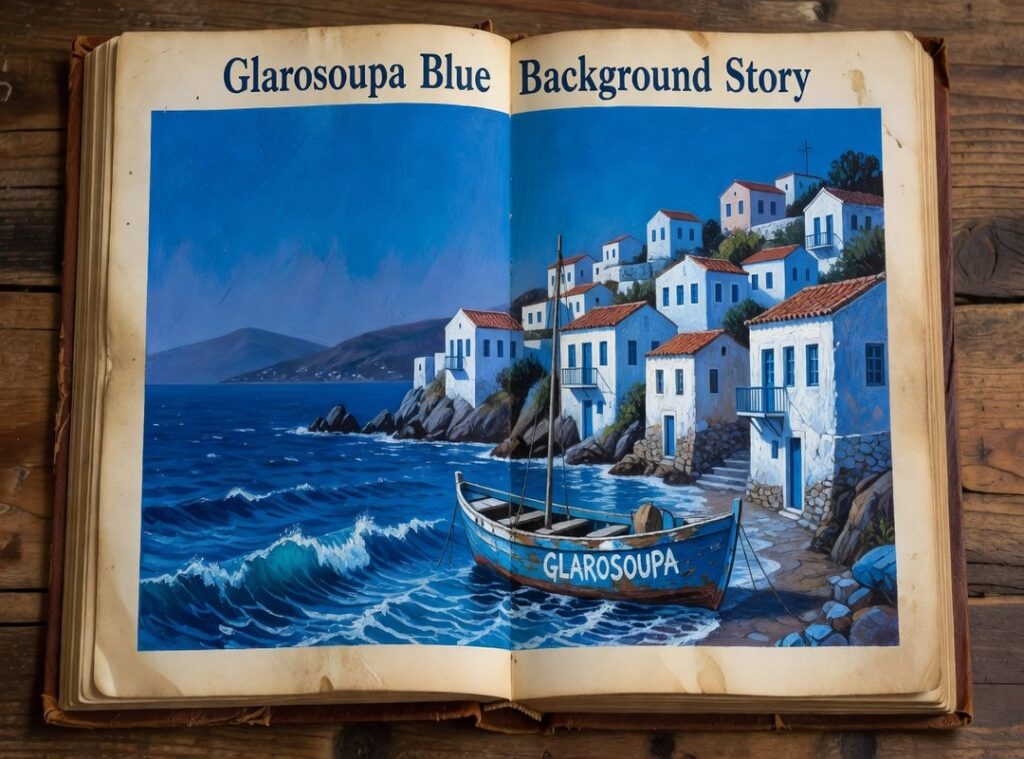
It’s Greek. And it means Seagull Soup Blue History.
Yes. That’s the literal translation.
No one serves seagull soup. Not even in Greece.
This phrase is an idiom. A real one. Used by real people.
For decades.
I’ve heard it in arguments. In jokes. In that moment when someone’s had enough of bureaucracy or nonsense.
It’s not poetic. It’s not cute. It’s blunt.
And it carries weight.
You’re here because you saw the phrase somewhere and thought: What does that even mean?
Or maybe you heard it from a Greek friend and got curious.
Or maybe you’re tired of translations that don’t explain why.
I grew up around this language. I’ve lived it. Spoken it.
Fought over its meanings.
So I’m not guessing. I’m telling you where Glarosoupa Mple Istoria came from. Why it stuck.
And how Greeks actually use it today.
No fluff. No guesswork. Just straight talk about a phrase that’s weirder.
And more meaningful. Than it looks.
You’ll walk away knowing exactly what it means. And why it matters.
What Glarosoupa Mple Istoria Really Means
I’ll cut to the chase: Glarosoupa Mple Istoria is what you say when someone’s drowning you in pointless detail. It’s not a recipe. It’s not history.
It’s sarcasm wrapped in nonsense.
You’ve heard it before (or) you’ve said it. Someone starts explaining why their coffee was cold. Then veers into traffic patterns.
Then recalls their third-grade teacher’s cat. That’s Glarosoupa Mple Istoria.
Break it down: glarosoupa means “seagull soup.” (Yes, really. And no, nobody makes it.)
It signals something absurd or irrelevant. Mple istoria? “Blue history.” Not sad. Just long, slow, and vaguely exhausting.
Like waiting for paint to dry while someone narrates the drying process.
You’d say it like this:
“Oh, spare me the Glarosoupa Mple Istoria about your toaster malfunction.”
Or: “Just tell me if the file uploaded. No need for the full Glarosoupa Mple Istoria.”
It’s not rude. It’s relief. You’re naming the thing that’s killing the conversation.
Want to see how people actually use it? Check out the Glarosoupa Mple Istoria page (no) fluff, no detours. Just real examples.
Short version: If it feels like watching grass grow in slow motion… it’s probably Glarosoupa Mple Istoria. Stop it. Laugh.
Move on.
Why Seagull Soup?
I heard Glarosoupa Mple Istoria for the first time in a Thessaloniki café.
The guy next to me spat his coffee out laughing.
Seagull soup? Who eats that? No one does.
Not even as a joke.
That’s the point.
It’s absurd on purpose.
In Greek, “soup” already means trouble. Έμπλεξα σε μια σούπα means “I got into a mess.”
Not literal soup. Just chaos with extra broth.
So glarosoupa isn’t food.
It’s a punchline dressed as dinner.
You know that feeling when someone gives an explanation so tangled it loops back on itself? That’s glarosoupa. A story that smells bad before you even taste it.
I once sat through a 45-minute “explanation” about why my phone bill doubled. Three companies. Two contracts.
One expired SIM card. Yeah. That was glarosoupa.
Food idioms do this everywhere. English has “a piece of cake”. Easy.
Greek has glarosoupa. Impossible, weird, and slightly offensive to your common sense.
It’s not about seagulls.
It’s about the look on your face when someone serves you nonsense and calls it lunch.
Soup is never just soup.
Especially when it’s made from birds nobody wants to name.
What’s So Blue About “Mple Istoria”?

I call it Glarosoupa Mple Istoria when someone starts a story and never lands the plane.
“Blue” here isn’t about color. It’s about mood. That low hum in your chest when you realize the story won’t end before lunch.
In Greek, “mple” can mean sad. But more often, it means dragging. Like a bus stuck in traffic.
Like waiting for soup to boil while your stomach growls.
History already feels long. Add “blue,” and it’s history with no exit ramp.
You’ve been there. Your cousin starts talking about his cousin’s landlord’s dog. And suddenly, time bends.
Colors shift meaning across cultures. In English, blue is sad. In Greek?
Often just too much. Too long. Too much detail about things you didn’t ask for.
It’s not that the facts are wrong. It’s that the telling has no rhythm. No breath.
No point.
Why does this happen? Because some people confuse “telling everything” with “telling something worth hearing.”
I stop listening after three minutes. You do too.
That’s the real test: if you’re checking your phone, the story’s already blue.
No one warns you before the blue begins.
But you always know it when it hits.
Glarosoupa Mple Istoria: A Mouthful That Means Something
I say Glarosoupa Mple Istoria and you already know what’s coming.
Someone’s talking too long.
It’s not just one thing. It’s two things crashing together. Glarosoupa.
Seagull soup. Sounds gross, right? (Because it is.)
Mple Istoria.
Blue history. Means boring, endless, drags on forever.
Put them together and you get a vivid, sarcastic punch. Not just boring. Not just weird.
But boring and weird at the same time.
Greeks don’t say “can we wrap this up?”
They say Glarosoupa Mple Istoria. And everyone laughs because they’ve heard it before. At family dinners?
Yeah. When your uncle starts explaining how the toaster works? Absolutely.
It’s polite sarcasm. Or not polite at all. Depends on the eye roll.
You’ll hear it in cafés, group chats, even text messages. One friend sends a 12-paragraph story about their grocery list? Glarosoupa Mple Istoria.
Which Glarosoupa Game Should I Buy Dmgameolificano (yeah,) that title alone feels like part of the joke.
It’s not about the words. It’s about the shared sigh. The knowing look across the table.
The moment someone finally stops talking.
And if you’re trying to figure out which version to pick up?
Yeah, that’s its own kind of Glarosoupa Mple Istoria.
Blue History Makes Sense Now
You came here confused. That phrase Glarosoupa Mple Istoria sounded weird. Maybe even nonsense.
I get it. Greek idioms don’t translate word for word. But now you know.
It’s not random. It’s layered. It’s cultural.
It’s real.
You wanted clarity. You got it. No fluff.
No jargon. Just the breakdown: glarosoupa, mple, istoria (and) why Greeks say it when something’s suspiciously convenient.
So next time you hear it? Listen closer. Smile.
You’ll finally get it.
Try saying it yourself. Just once. In the right moment.
Or just sit with the fact that language holds weight like this.
Either way? You’re done searching. You understand.
Go use that knowledge.
 Senior Gaming Content Strategist