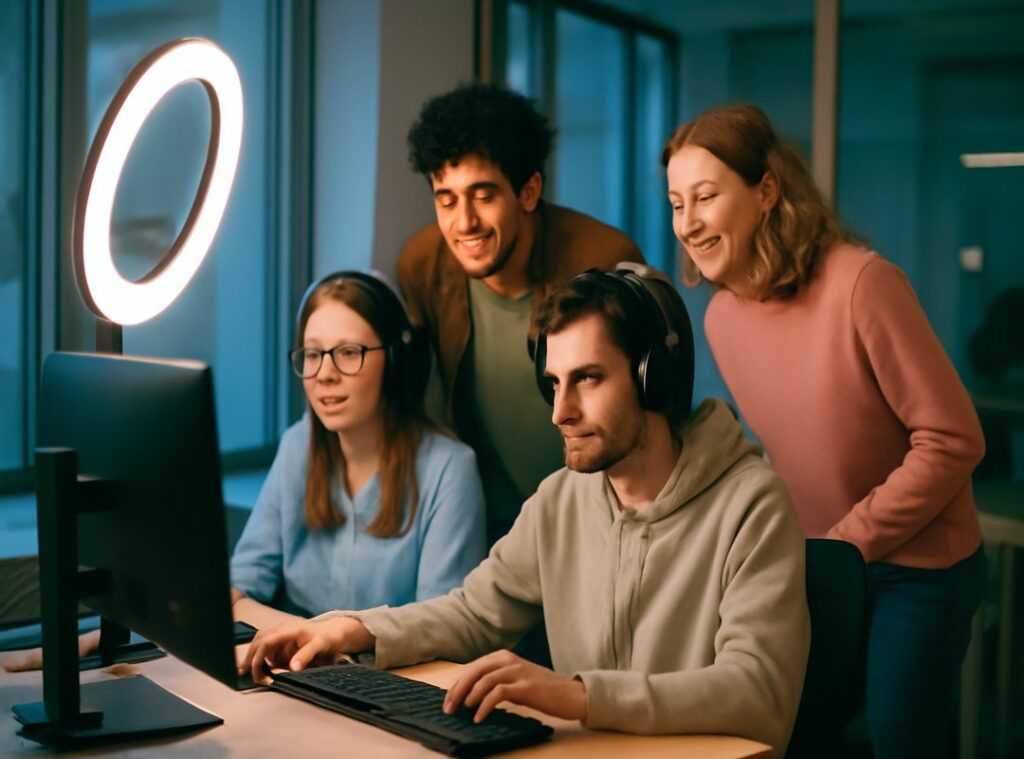
Esports is intense. The pressure to perform is immense, and individual skill only gets you so far.
Many talented teams still struggle. They underperform or even disband because they can’t collaborate effectively. That’s a problem.
I’ve analyzed successful esports organizations and what drives them. I’ve seen firsthand how team dynamics shape performance.
In this guide, I’ll share takeaways on team dynamics esports that can help you cultivate better collaboration.
You might think teamwork is just about communication, but it’s more than that. It’s about creating combo, trust, and a shared vision.
I promise these strategies are practical and actionable. These aren’t just theories; they’re methods that real teams have used to achieve consistent victories.
You’ll learn how to transform potential into performance.
Whether you’re a player, coach, or manager, this article will give you the system you need to boost your team’s success.
Ready to take your game to the next level? and build a stronger team together.
Building Blocks of Winning Esports Teams
When I talk about esports team collaboration, I’m not just saying play better together. It’s a strategic, ongoing push to hit shared goals. The first pillar here is a shared vision.
Everyone’s got to agree on what success looks like, whether it’s winning a big tournament or hitting key metrics. This alignment means each player’s effort counts towards a common objective. If you don’t have this, you’re just a bunch of individuals, not a team.
Next, to roles. Clear roles and responsibilities stop chaos in its tracks. Define who does what, in and out of the game.
A player shouldn’t be guessing their job mid-match. No one likes overlap and confusion (it) kills momentum.
Then, there’s mutual respect and trust. This isn’t just about being polite. It’s about respecting each other’s skills and integrity.
Finally, adaptability and resilience. The game’s meta shifts, opponents change tactics, and setbacks happen. Your team needs to be a rubber band, not a brick wall.
You need this for open conversations and honest feedback. Without it, you’re just going through the motions.
These pillars connect to form the core of high-performing team dynamics in esports.
Talk It Out: Mastering Esports Team Communication
In esports, words can make or break a game. I’ve seen teams crumble just because they couldn’t get their words straight during key moments. Developing concise, clear callouts is key.
Picture this: you’re seconds away from winning, and the callout is a muddled mess. Useless, right?
Effective communication isn’t just a random series of words. It’s about crafting quick, actionable cues your team can act on. During post-game analysis, straightforward feedback is key.
No one likes a blame game (even) if it’s tempting.
How about outside the game? team dynamics really shine in esports. Regular meetings aren’t just a formality. They’re the backbone of a strong team.
Whether it’s structured or a casual catch-up, keeping that door open for honest dialogue is key.
Active listening? It’s not just nodding along. It’s ensuring the team hears and understands (one doesn’t guarantee the other).
Especially when stress is through the roof. Non-verbal cues still count in online gaming. Tone and pacing tell you plenty about emotional states.
Oh, and about communication protocols: ever tried playing without them? Chaos. Having clear expectations helps avoid misunderstandings and builds efficiency.
If you’re curious about how coaching can up your game, learn more. Because, honestly, who wants to play blindfolded?
Building Trust: The Secret Weapon in Esports
Trust in esports isn’t just nice to have. It’s important. Imagine a team where players hesitate to take risks or hold back feedback.
Growth? Stunted. In my experience, trust lets players lean on each other, take those scary leaps, and truly learn from mistakes.
Ever been on a team where you’re scared to speak up? psychological safety comes in. It’s about creating a space where everyone feels free to voice ideas or critique without fear. And yes, you can actually build this.
How? Shared experiences are key. Both in-game and out.
Whether it’s a team dinner or a marathon gaming session, these moments cement bonds. Consistent behavior and celebrating wins collectively also play big roles. Leaders, listen up.
You need to model this. Admit your own mistakes and actively seek out diverse perspectives. It sets a tone of openness and respect.
The impact on team dynamics esports is huge. Trust and psychological safety boost cohesion, resilience, and performance, especially under pressure. These elements reduce conflicts and build a positive, growth-driven culture.
So are you fostering an environment where your team can thrive? The stakes are high, but the rewards are worth it.
The Esports Gear: Tools for Team Success
Getting your team dynamics right in esports is no easy feat. But let’s talk tools. First up, communication platforms.
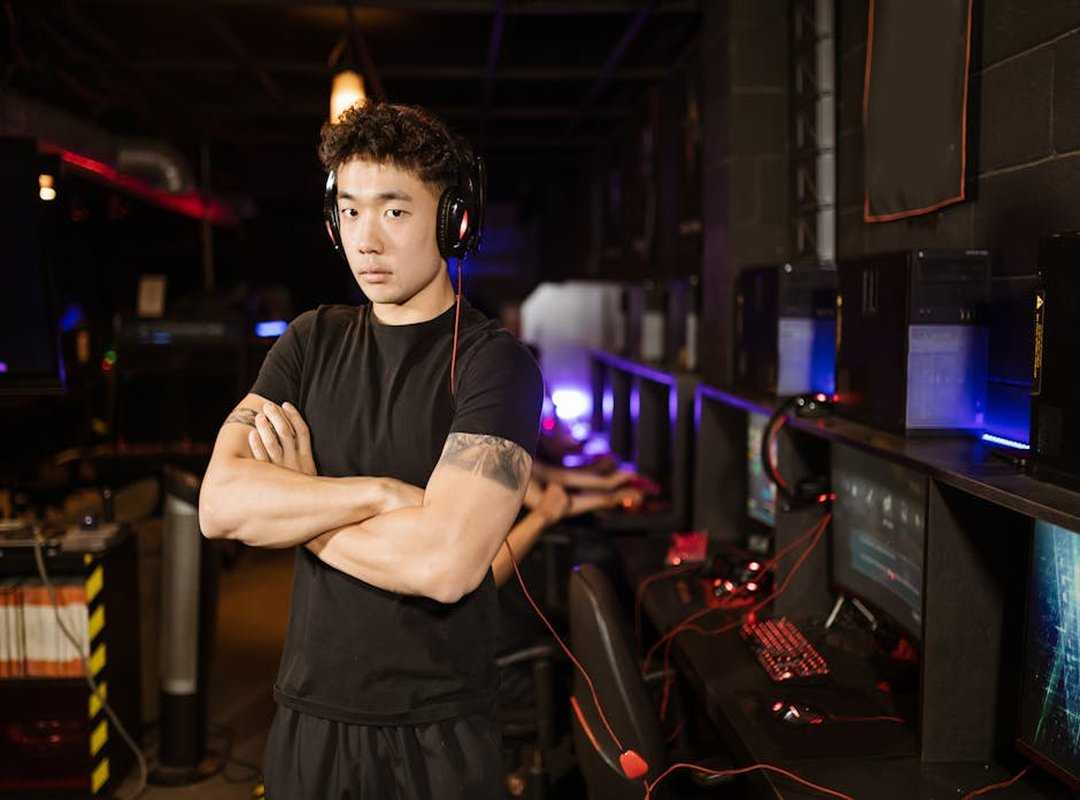
Discord, TeamSpeak, or Mumble? I say Discord wins with its push-to-talk feature and clear audio. These make real-time coordination feel smooth.
Isn’t that what we all want?
Now, on to performance tracking. Tools like game-specific replay analyzers can turn a good team into a great one. You can dissect every move and plan to bits.
Shared documentation platforms are a game-changer (literally). Google Docs, Notion, Trello. They’re like your team’s brain on the cloud.
Perfect for building playbooks and managing schedules. Especially when your team is scattered across the globe.
Here’s a pro tip: integrate these tools into your daily routine. Make them second nature, so they boost rather than complicate your game.
And hey, don’t just grab any tool. Pick ones that fit your game’s needs, your budget, and your structure. For more takeaways on this topic, check out esports organizations watch.
Collaboration in Esports: Nailing the Dynamics
Addressing conflict in esports isn’t just about playing nice. It’s about active listening. Hear what your teammate’s really saying.
Find the root of the issue, then aim for solutions everyone can live with.
Ego clashes? Yep, they happen. In esports, it’s key to focus on the team’s goals over individual glory.
Different personalities make a team interesting, but they also need managing. Recognize and respect these differences.
Burnout is real. Games are intense, and structured breaks are a must. Recognize fatigue and push for a healthy work-life balance.
It’s key for long-term performance.
New team members? Clear onboarding and inclusive environments set them up for success.
Losing streaks test team dynamics. They can tank morale, but resilience is everything. Learn from setbacks.
As teams evolve, so should strategies. Continuous improvement keeps a team changing. Flexibility isn’t optional; it’s necessary for growth.
Does team dynamics esports sound challenging? It should. But it’s also what makes victory taste sweeter.
Master Your Team’s Potential
Effective collaboration is a non-negotiable in esports. Without it, even the best players will struggle. This guide lays out strategies that tap into human psychology and real-world application.
So, are you ready to take action? Start today with small changes. Focus on communication, building trust, and tackling problems together.
These aren’t just theories; they’re proven methods that can transform your team dynamics esports.
Commit to fostering a culture where collaboration thrives.
You have the tools. Use them. Every step you take toward improvement counts.
Challenge your team to support each other and push for progress.
If you want to see real victories, the time to act is now. Don’t wait. Start fostering that winning combo.
 Founder & Editor-in-Chief
Veslina Rothwynd is the founder of Vloweves and the driving force behind its editorial vision. She established the platform to cover emerging conversations in gaming culture, esports, and specialized game communities. With a strong interest in both competitive and casual gaming ecosystems, she leads content strategy and oversees publication standards. Her work focuses on identifying niche topics before they reach mainstream attention. She also guides long-form features on game mechanics and industry developments. Under her leadership, Vloweves has developed a voice centered on informed analysis and accessible expertise. She continues to shape the platform’s growth and creative direction.
Founder & Editor-in-Chief
Veslina Rothwynd is the founder of Vloweves and the driving force behind its editorial vision. She established the platform to cover emerging conversations in gaming culture, esports, and specialized game communities. With a strong interest in both competitive and casual gaming ecosystems, she leads content strategy and oversees publication standards. Her work focuses on identifying niche topics before they reach mainstream attention. She also guides long-form features on game mechanics and industry developments. Under her leadership, Vloweves has developed a voice centered on informed analysis and accessible expertise. She continues to shape the platform’s growth and creative direction.