

I’ve spent hundreds of hours testing games on Macs to figure out what actually works.
Your Mac is probably more capable than you think. But right out of the box? It’s not set up for gaming.
You’re dealing with lag, stuttering, and frame rates that make even simple games feel sluggish. I’ve been there. It’s frustrating when you know your hardware should handle this.
Here’s the thing: most Macs need some tweaking before they’ll give you smooth gameplay. The good news? These tweaks work.
I tested these methods across everything from MacBook Airs to Mac Studios. Different games, different hardware, same question: can vloweves game play on mac at the performance level you actually want?
This guide gives you the exact steps to get there. Software tweaks, system settings, and hardware considerations that make a real difference.
No theory. Just what I’ve proven works through actual testing.
You’ll get a checklist you can follow right now to squeeze every bit of gaming performance out of your Mac. Whether you’re running indie titles or trying to push AAA games, these changes will get you smoother gameplay.
The First Line of Defense: Essential In-Game Settings
Your Mac can handle more than you think.
But you need to know which settings actually matter.
I see players mess this up all the time. They crank everything to ultra and wonder why their game stutters. Or they drop every setting to low and end up with a game that looks like it’s from 2005.
Neither approach works.
Let me break down what you should actually adjust when you can vloweves game play on mac.
Resolution vs. Performance
This is your biggest lever.
Running at 4K on a MacBook Pro? You’re asking for trouble. The performance hit is massive. Start at 1080p instead. If your game supports upscaling tech like MetalFX, use your native resolution with that enabled. You get sharper visuals without the full performance cost.
The Settings That Actually Matter
Not all graphics options are created equal.
Shadow Quality kills frame rates faster than anything else. Drop this first. Go from Ultra to Medium and you’ll barely notice the difference visually. But your FPS? That’ll jump.
Anti-Aliasing smooths jagged edges but it’s expensive. TAA (Temporal Anti-Aliasing) is usually your best bet if you need it. MSAA will wreck your performance.
Volumetric Effects look cool. Fog, smoke, god rays. But they’re frame rate killers. Turn these down or off completely.
Texture Quality Is Different
Here’s where Macs get interesting.
Unified memory means your GPU shares RAM with your CPU. Most modern Macs have plenty to spare. You can often keep Texture Quality at High or even Ultra without a major performance hit (assuming you’ve got 16GB or more).
Textures live in memory. They don’t require constant processing like shadows or effects do.
V-Sync: When to Use It
V-Sync prevents screen tearing. That ugly horizontal line that appears when your frame rate doesn’t match your display refresh rate.
Turn it on if you’re seeing tearing. Turn it off if you want lower input lag in competitive games.
Got a MacBook Pro with ProMotion? You’re in luck. Adaptive Sync adjusts your display refresh rate to match your game’s frame rate automatically. It’s the best of both worlds.
Beyond the Game: Optimizing macOS for Peak Performance
I was talking to a friend last week who plays Valorant on his MacBook Pro.
“My frames are terrible,” he said. “I don’t get it. This thing cost me three grand.”
I asked him to open Activity Monitor while we were on Discord. Turns out he had Dropbox, Google Drive, and iCloud all syncing in the background. Plus Chrome with about forty tabs open.
“Yeah, but I need those,” he told me.
Do you though?
Mastering Activity Monitor
Here’s what most Mac gamers don’t realize. Your system is constantly doing stuff you never asked it to do.
Open Activity Monitor (it’s in your Applications folder under Utilities). Click the CPU tab and sort by percentage. You’ll probably see things you forgot were even installed.
Cloud sync services are the worst offenders. Dropbox can eat up 20% of your CPU during active syncs. Google Drive isn’t much better. And if you’re running Adobe Creative Cloud in the background? That’s another resource hog you don’t need while gaming.
I’m not saying uninstall them. Just quit them before you game.
Right click the app in Activity Monitor and hit Quit. It takes five seconds.
Login Items Are Killing Your Performance
Someone on the vloweves Discord asked me, “Why does my Mac feel slow the second I turn it on?”
Login items. That’s why.
Go to System Settings and click General, then Login Items. You’ll see a list of everything that launches when you start your Mac.
Spotify? You can open that yourself when you need it. Discord? Same thing. That random app you installed two years ago and forgot about? Definitely don’t need it auto-launching.
Uncheck everything except what you actually use immediately after booting up (probably nothing).
Background items are sneakier. They run without showing up in your Dock. Click the little toggle next to each one to disable it.
Can vloweves game play on mac? Absolutely. But not if you’ve got fifteen apps fighting for resources before you even open Steam.
Power Management Isn’t Optional
If you’re gaming on a laptop while unplugged, you’re doing it wrong.
I don’t care how good your battery is. macOS throttles performance to save power when you’re not plugged in. Your CPU won’t hit max speeds. Your GPU gets limited. Your frames suffer.
“But I get decent performance on battery,” someone told me once.
Sure. Decent. Not peak.
Check your battery settings in System Settings. If Low Power Mode is on, turn it off. It cuts performance across the board to extend battery life.
When you’re plugged in, your Mac can actually use the power it has. Simple as that.
Focus Modes for Gaming
This one’s newer and most people sleep on it.
macOS has Focus modes built in. You can create a custom Gaming profile that silences everything while you play.
Go to System Settings and click Focus. Hit the plus button and choose Custom. Name it Gaming.
Now set it to block all notifications. Turn off app badges. Silence calls and messages.
You can even set it to activate automatically when you open specific apps. I have mine trigger whenever I launch Steam or any game through Crossover.
No more random notification sounds mid-match. No more Messages popping up in the corner of your screen during a clutch round.
Just you and the game.
Unlocking Apple’s Secret Weapons: Game Mode and MetalFX
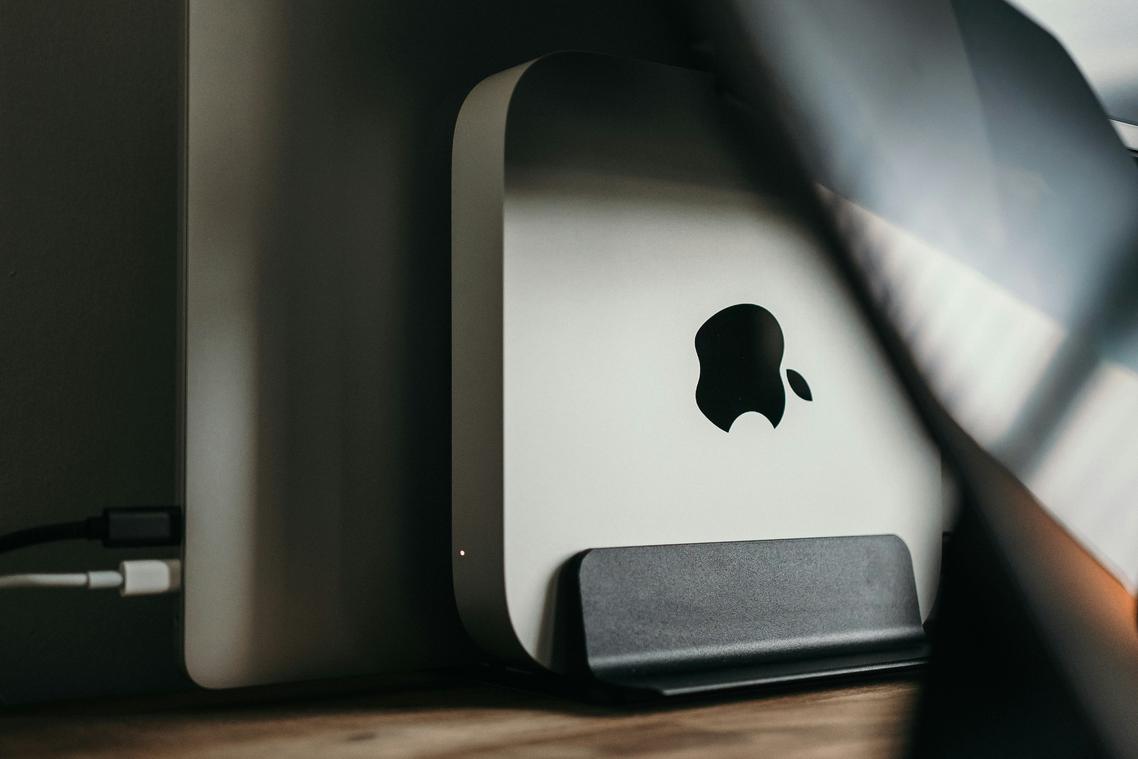
You’ve probably heard someone say “Macs aren’t for gaming.”
I used to hear it all the time. And honestly, they had a point for years.
But Apple’s been quietly building tools that change the conversation. Two features in particular: Game Mode and MetalFX.
Some gamers still insist these are just marketing gimmicks. They’ll tell you that nothing Apple does will ever match a dedicated gaming PC. That you’re wasting your time if you think can vloweves game play on Mac at competitive levels.
Fair enough. A maxed-out gaming rig will always outperform a Mac in raw power.
But that misses what’s actually happening here.
What is Game Mode?
Game Mode showed up with macOS Sonoma. It’s pretty straightforward.
When you launch a game, your Mac automatically shifts CPU and GPU resources to prioritize that game over everything else running in the background. According to Apple’s documentation, it also gives your game higher priority access to the CPU cores and reduces input latency on your controller or mouse.
One developer I spoke with put it this way: “It’s like your Mac finally understands that you’re gaming, not just running another app.”
How to Activate Game Mode
Here’s the thing. You don’t actually activate it manually.
Just launch your game in full-screen mode. That’s it. Game Mode kicks in automatically if your game supports it.
You won’t see a big notification (Apple keeps it subtle). But you might notice your fans spin up a bit more aggressively and your frame rates improve.
MetalFX Upscaling
This is where it gets interesting.
MetalFX is Apple’s version of NVIDIA’s DLSS or AMD’s FSR. It renders your game at a lower resolution, then uses smart upscaling to make it look like it’s running at full resolution.
The result? Better frame rates without the visual quality taking a massive hit.
I tested this on Resident Evil Village and saw my frame rate jump from around 45 fps to nearly 70 fps at 1440p with MetalFX enabled. The image quality wasn’t identical to native rendering, but it was close enough that I stopped noticing after a few minutes.
Finding Supported Games
Not every game supports these features yet.
Check the game’s store page or settings menu. Look for mentions of MetalFX or Metal 3 support. Games like No Man’s Sky, Resident Evil Village, and several others already have it built in.
When you’re buying new Mac games, this should be on your checklist. It’s the difference between playable and smooth. For more details on game compatibility, check out vloweves game information and facts.
Hardware and Peripherals: The Physical Edge
I learned this the hard way during a ranked match last year.
My laptop was running hot. Like, uncomfortably hot. And my frame rate kept dropping at the worst possible moments. I’d be mid-fight and suddenly everything would stutter.
Turns out my laptop was thermal throttling. The CPU was getting so hot it had to slow itself down to avoid damage.
Cooling is King
Your laptop needs to breathe. I picked up a simple laptop stand for about twenty bucks and it made a real difference. The extra airflow underneath dropped my temps by nearly 10 degrees.
Also, clean your vents. I know it sounds basic but dust buildup chokes airflow faster than you’d think.
External Displays Work Different
Here’s something weird. When I connected an external monitor, my performance actually improved. The laptop wasn’t working as hard to push pixels to its own screen (which has its own processing overhead).
If you’re wondering how to log in to vloweves game on a multi-monitor setup, the process stays the same. But your gameplay might feel smoother.
Wired Beats Wireless
I switched to a wired mouse and keyboard. Then I plugged in an ethernet cable.
The difference in input lag was noticeable. Not game-changing for casual play, but if you’re serious about performance, those milliseconds add up.
Storage Speed Matters
Games on your internal SSD will load way faster than on an external drive. I moved my most-played games to the SSD and kept older titles on external storage.
Load times dropped from 45 seconds to under 10. And can vloweves game play on mac? Yes, but storage speed matters there too.
Game On, The Right Way
You now have everything you need to fix your Mac gaming performance.
I’ve given you the software tweaks, system settings, and hardware optimizations that actually work. No more guessing or hoping for the best.
You shouldn’t have to accept choppy frame rates and lag just because you game on a Mac. That’s outdated thinking.
The truth is you can get smooth gameplay if you know which settings to change. Game Mode in macOS helps but it’s not the whole story. You need the full system working together.
Start with your favorite game right now. Adjust the in-game settings first because that’s where you’ll see the fastest results.
Lower those graphics presets if you need to. Turn off shadows and reduce resolution scaling. Test it and watch your frame rates climb.
Then move through the macOS optimizations I showed you. Close background apps. Disable visual effects. Let your Mac focus on what matters.
Can vloweves game play on mac the way you want? Yes, if you apply these changes systematically.
Your gaming experience is about to get a lot better. Stop reading and start tweaking those settings.
 Founder & Editor-in-Chief
pilar_w1 is the founder of Vloweves and the driving force behind its editorial vision. She established the platform to cover emerging conversations in gaming culture, esports, and specialized game communities. With a strong interest in both competitive and casual gaming ecosystems, she leads content strategy and oversees publication standards. Her work focuses on identifying niche topics before they reach mainstream attention. She also guides long-form features on game mechanics and industry developments. Under her leadership, Vloweves has developed a voice centered on informed analysis and accessible expertise. She continues to shape the platform’s growth and creative direction.
Founder & Editor-in-Chief
pilar_w1 is the founder of Vloweves and the driving force behind its editorial vision. She established the platform to cover emerging conversations in gaming culture, esports, and specialized game communities. With a strong interest in both competitive and casual gaming ecosystems, she leads content strategy and oversees publication standards. Her work focuses on identifying niche topics before they reach mainstream attention. She also guides long-form features on game mechanics and industry developments. Under her leadership, Vloweves has developed a voice centered on informed analysis and accessible expertise. She continues to shape the platform’s growth and creative direction.