Learning about the Inca Empire can feel overwhelming. There’s so much to remember, and it’s easy to get lost in all the details.
But there’s a better way. Using a dibujo mapa mental de los incas can help you visually organize information. This makes it easier to see connections and recall key details.
This guide will walk you through creating a detailed and useful mind map of the Inca Empire. Even if you’ve never made one before, you’ll be able to follow along.
Visual methods like mind maps are more effective than traditional note-taking for historical subjects. They help you see the big picture and make sense of complex information.
By the end, you’ll have a powerful study tool and a deeper understanding of Inca society. Let’s dive in.
What Makes a Mind Map the Perfect Tool for History?
A mind map is a diagram that connects information around a central subject, using a non-linear, graphical layout. It’s like creating a visual web of ideas.
When it comes to learning history, mind maps are a game-changer. They help you visualize relationships between rulers, events, and societal structures. Linear notes often hide these connections, making it hard to see the big picture.
Mind maps boost memory retention by using colors, images, and spatial organization. This engages more of your brain, making it easier to remember key details.
Think about it. A wall of text in a textbook can be overwhelming. But a mind map provides a ‘big picture’ overview on a single page.
It’s like comparing a detailed map to a list of directions.
For example, instead of just listing Inca gods, a dibujo mapa mental de los incas can visually branch them off from a central ‘Religion’ topic. This shows their hierarchy and importance, making it much easier to understand and remember.
The best part? Mind mapping is a simple technique that anyone can master. Whether you’re studying ancient civilizations or modern history, a mind map can help you make sense of complex information.
Starting Your Map: The Core Idea and Main Branches
Let’s get started. First, draw a circle or image in the middle of your page and label it “The Inca Empire” or “Los Incas.” This is the heart of your dibujo mapa mental de los incas.
Now, brainstorm the main pillars of the civilization. These will become the first major branches extending from the center.
- Social Structure
- Economy & Agriculture
- Religion
- Technology & Achievements
- The Spanish Conquest
Use thick, curved lines for these main branches. Trust me, your brain finds them easier to follow than straight, rigid lines.
Assign a unique color to each main branch right from the start. This helps visually separate the different aspects of the empire, making it easier to remember and understand. Vloweves
Getting these main categories right is crucial. They form the foundation of your entire mind map. A solid foundation means you can build a more comprehensive and organized map, which makes studying and recalling information much more effective.
Fleshing it Out: Key Information for Your Inca Mind Map
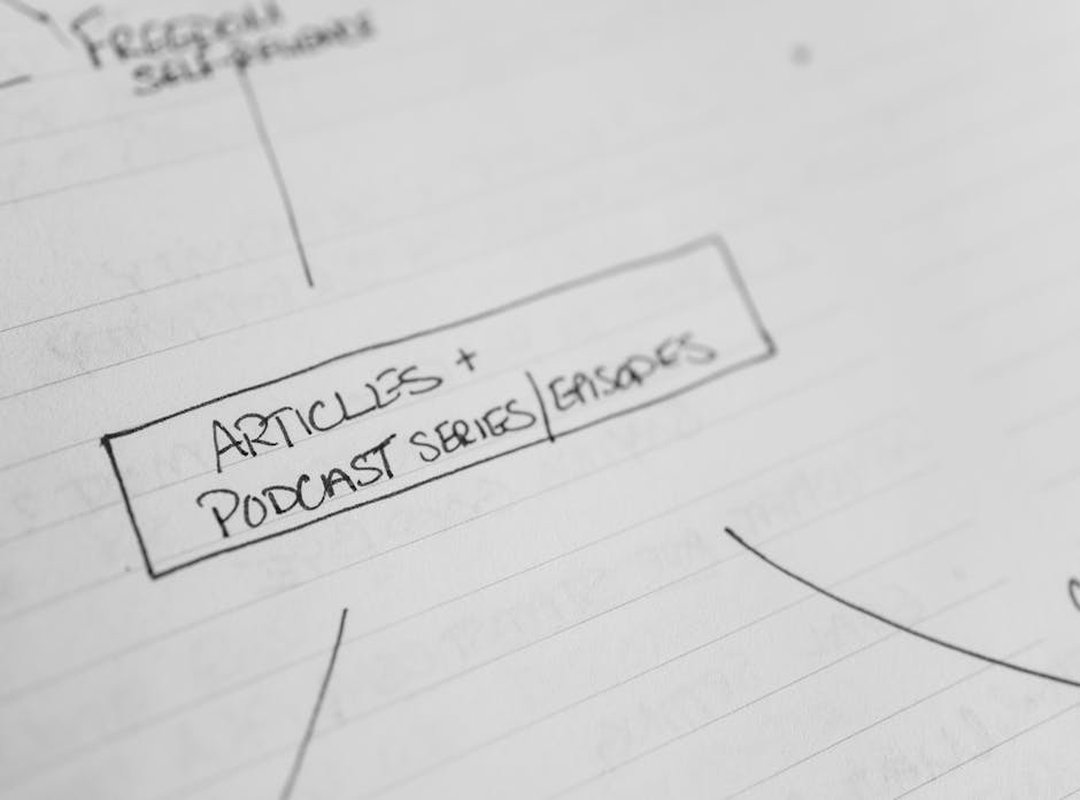
When you’re creating a dibujo mapa mental de los incas, it’s all about getting the details right. Let’s break it down by main topics and add some specific sub-branches.
Social Structure
- Sapa Inca (Emperor): The supreme leader.
- Nobility: The elite class.
- Ayllu (Commoners): The working people.
- Yanacona (Servants): Those who served the nobility.
Economy & Agriculture
- Terrace Farming: Innovative farming on steep slopes.
- Mita System (Labor Tax): A form of labor tax.
- Road System (Qhapaq Ñan): Extensive network for trade and communication.
- Key Crops: Potatoes and maize were staples.
Religion
- Inti (Sun God): The most important deity.
- Viracocha (Creator God): The creator of all things.
- Huacas (Sacred Places): Sites of spiritual significance.
- Capacocha (Human Sacrifice): Rituals to appease the gods.
Technology & Achievements
- Quipu (Knot Record): A system for record-keeping.
- Stonemasonry (e.g., Machu Picchu): Impressive architectural feats.
- Advanced Road Network: Connected the empire.
- Textiles: Intricate and highly valued.
The Spanish Conquest
- Francisco Pizarro: The Spanish conquistador.
- Atahualpa: The last Sapa Inca.
- Civil War: Internal conflict weakened the empire.
- Disease: Brought by the Spanish, decimated the population.
By adding these sub-branches, your mind map will be more comprehensive and easier to understand. Remember, the Incas built an impressive civilization over centuries, and understanding their social, economic, and religious structures gives you a deeper appreciation of their achievements.
A Simple 5-Step Process to Draw Your Map
Drawing a dibujo mapa mental de los incas can be a fun and effective way to organize your thoughts. Let’s break it down into simple steps.
Start in the center. Grab a blank sheet of paper (landscape orientation is best) and draw your central ‘Inca Empire’ image.
Add your main branches. Draw 5-6 thick, colored, curved lines radiating outwards from the center. Label them with your main topics, like ‘Religion’ or ‘Economy’.
Add keywords and sub-branches. On each main branch, add key details from the previous section on smaller, thinner lines. Use one word or a short phrase per line.
Use color and images. Stick to your color code. Draw simple icons or symbols next to keywords to make them more memorable.
For example, a sun for ‘Inti’ or a knot for ‘Quipu’.
Review and connect. Look for connections between different branches. Draw dotted lines to link related ideas, like connecting the ‘Road System’ under ‘Achievements’ to the ‘Mita System’ under ‘Economy’.
By following these steps, you’ll create a clear and organized map that helps you understand and remember the Inca Empire better.
Your Visual Guide to the Inca World is Complete
Congratulations on creating a powerful, personalized learning tool that simplifies a complex historical topic. By organizing everything visually, your dibujo mapa mental de los incas solves the initial problem of information overload.
You now have a one-page summary that’s perfect for studying, revision, or simply appreciating the complexity of the Inca Empire. Hang this mind map somewhere visible, or try this technique on another historical topic you are interested in.
Making learning more active, creative, and effective can transform how you understand and remember history.
 Gear Setup & Hardware Guide Specialist