
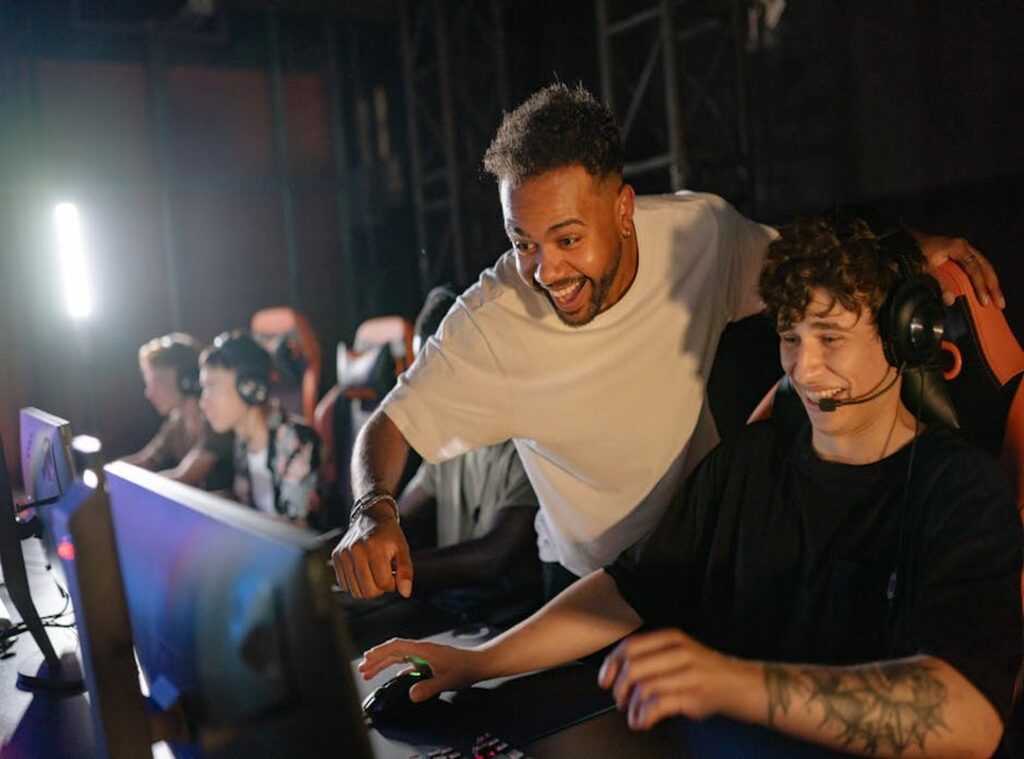
Esports is exploding. We see it everywhere, from packed arenas to streaming platforms. But here’s the catch: to truly compete at high levels, you can’t just rely on skill alone.
You need structured training.
This is where esports coaching importance comes in. Coaches can help players bridge the gap between casual gaming and the professional scene. They provide important strategies and techniques to sharpen your game.
You’ve probably noticed the growing coverage of esports trends and training methods. It’s hard to ignore. From what I’ve seen, players who invest in coaching see tangible results.
If you’re looking to understand why structured training matters, you’re in the right place. This article dives into the significance of esports training. I’ll share takeaways that could change your approach to gaming.
Let’s get into why investing in your skills is key for your success.
Esports Training: Beyond the Game
Esports training is no joke, let me tell you. It’s more than just playing games for hours on end (though that helps, too). There’s a whole world of physical, mental, and strategic components involved.
Unlike casual gaming, structured training is intense. It includes physical exercise to improve reaction time and mental drills for focus and plan. If you think it’s just chilling on a couch with a controller, you’re way off.
So, what’s an esports training routine look like? Well, top athletes follow schedules that rival traditional sports. (Yeah, really.) They might start with physical warm-ups, move into team plan sessions, and end with coaching reviews. It’s a full-day affair, not just a pastime.
Coaches and analysts play an important role. They dissect gameplay, identify weaknesses, and develop plan. the esports coaching importance shines. Without them, players might miss key takeaways.
Sure, some people scoff at esports as “just gaming.” But the dedication these athletes show is nothing short of serious. There’s a reason why teams invest heavily in training facilities and coaching staff. It’s not just a game (it’s) a discipline.
If you still think it’s all fun and games, maybe you should try it.
Esports Training: Level Up Your Game
Let’s talk about the esports coaching importance and why it matters. First off, training in esports isn’t just about pressing buttons faster. It’s about honing those reflexes to a razor’s edge.
Imagine being able to react in milliseconds (sounds) like a superpower, right? That’s what consistent training delivers. Your hand-eye coordination gets a serious boost, turning you from a casual player into a tactical wizard.
But it’s not just physical. Mentally, esports training sharpens focus and strategic thinking. Ever watched a pro player and wondered how they always seem to know what to do next?
It’s all about mental agility. Training helps you anticipate moves like a chess grandmaster, plotting strategies that win games. It’s like being in “The Queen’s Gambit,” but with a controller.
Let’s not forget the social side. Teamwork and communication are the unsung heroes of esports. You can’t win a team game solo.
Training in esports pushes you to work with others, enhancing communication skills. It’s not just about shouting commands but understanding team dynamics. Speaking of which, you might want to check out Rethinking Team Dynamics Esports.
It dives deep into how team dynamics can be reimagined for better performance.
Real-world success stories abound. Take players who’ve gone from zero to hero through training. Their journey shows that dedication and structured coaching can transform your game.
So, if you’re serious about leveling up, remember: training is your best ally. It’s not just about playing more; it’s about playing smarter. Esports is a battlefield, and the well-trained players are the ones who dominate.
Level Up: Building A Winning Esports Training Program
When it comes to esports, training isn’t just a nice-to-have. It’s important. Regular practice is at the heart of any successful program.
You can’t expect to compete at a high level without putting in the hours. But practice without feedback is like playing a game on mute. You need someone to call out your mistakes (and your triumphs) to really improve.
Technology plays a big role here. We’ve got all these fancy tools now that track every twitch of your thumb and every move on-screen. They help analyze performance in ways older generations couldn’t dream of.
I’m not saying tech is a miracle worker, but it sure opens a lot of doors for fine-tuning skills. Does it mean you can skip hard work? No way!
It just makes your efforts more directed.
But let’s be real. You can’t grind 24/7. Balancing training with rest is key.
Burnout is real, and it can throw anyone off their game. Pro tip: Schedule downtime as seriously as your practice sessions. Your brain needs chill time to process all those skills you’re building.
And check in regularly with those goals. Ask yourself: Are you moving forward, or just moving?
Setting goals? Keep them realistic. We all want to be the next big esports star, but you’ve got to measure progress in achievable steps.
The esports coaching importance can’t be stressed enough. A good coach keeps you accountable and helps get through this complex space. In the end, it’s all about combining these elements effectively.
That’s how you level up in the fast-paced world of esports!
Level Up: Tackling Esports Training Challenges
Esports training isn’t just about logging endless hours in front of a screen. It’s a grind, and burnout is real. I’ve seen it happen too often.
Keeping motivation high is tough when you’re stuck in a rut. So how do you keep the fire burning? Set a structured schedule.
It’s a game-changer. (See what I did there?)
Mental health is just as key. Without it, all the skill in the world won’t help. Talk to someone if you’re struggling.
Seriously, don’t ignore it. Being in the right headspace can make or break your performance.
Staying updated with game mechanics and metas is another beast. They’re always changing. That’s why the esports coaching importance can’t be overstated.
Coaches can guide you through these shifts, helping you adapt faster.
Pro tip: Follow top players and analysts. They often drop takeaways that can help you stay ahead. But remember, it’s not just about consuming content.
Apply what you learn.
In the end, it’s about balance. Train hard, but don’t forget to rest. Your best play comes when you’re at your best.
Future Trends in Esports Training: What’s Next?
Technology’s moving fast, and esports training will never be the same. Virtual reality (VR) and artificial intelligence (AI) are reshaping the game. Imagine using VR to simulate intense match scenarios.
It’s not just cool; it’s a game-changer. AI, meanwhile, is analyzing gameplay, offering takeaways that make traditional coaching look outdated. This shift highlights the esports coaching importance like never before.
Then there’s cross-disciplinary training. Who thought physical fitness would be key for esports pros? Yet here we are.
As gaming becomes a legitimate sport, combining mental and physical training isn’t just smart. It’s necessary. You’re not just sitting at a computer anymore.
You’re an athlete.
And don’t forget the industry players making waves. Curious about who’s leading the charge? Check out Esports Organizations Watch.
They’re setting the pace. What’s next for esports training? The future’s bright, and a bit terrifying (in a good way).
Level Up Your Esports Game
Structured training is key to success in esports. You need to embrace esports coaching importance to raise your skills. Start or boost your training program today.
Keep learning and adapting. Don’t let opportunities pass you by. Dive in now and see the difference it makes.
Your journey starts here.
 Gear Setup & Hardware Guide Specialist